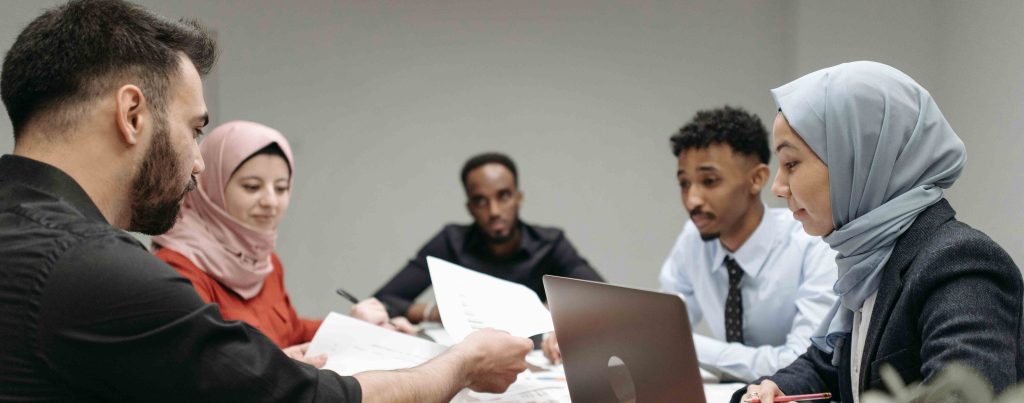
Why Inclusion Matters: Moving Beyond Compliance in the South African Workplace
Why inclusion matters, is because in today’s professional landscape, conversations around diversity and inclusion are more urgent than ever. Yet, while many organisations have begun implementing surface-level strategies to reflect a changing workforce, few have fully embraced the deeper cultural shift required to make diversity and inclusivity in the workplace more than just a buzzword.
In South Africa, where our social and corporate systems are still deeply shaped by a complex history, these issues are not only ethical but essential to building a future-fit economy. So how do we go beyond the basics and create truly inclusive, sustainable change?
Let’s explore some essential perspectives to help move the conversation forward.
Understanding the Foundations: What Is Inclusion?
Before we can act, we need to define. So, what is inclusion, really?
Inclusion is the conscious effort to create environments where individuals of all backgrounds feel valued, respected, and empowered to contribute. It’s not just about being present in the room, it’s about being heard, acknowledged, and taken seriously.
Inclusion differs from diversity. Where diversity in the workplace refers to the range of people, such as different races, genders, ages, religions, abilities, and more, where as inclusion is about how those differences are embraced in daily operations and decision-making.
To sum it up: diversity is the mix; inclusion is making the mix work.
Types of Diversity That Matter in the Workplace
To build inclusive cultures, we must first recognise the types of diversity that exist and how they intersect. Some are visible; others are not.
Cultural and racial diversity
Gender identity and sexual orientation
Age and generational background
Disability and neurodiversity
Religious beliefs and languages spoken
Socioeconomic background and education level
Understanding these categories helps organisations better appreciate the richness people bring and the risks of excluding or marginalising certain groups
The Uniqueness of Cultural Diversity in South Africa
Cultural diversity in South Africa is unlike anywhere else in the world. With 11 official languages, a blend of ethnic heritages, and a deeply divided history of apartheid, our country offers both an extraordinary opportunity and a unique challenge.
The legacy of systemic inequality still affects access to opportunity, education, and career progression. That’s why diversity in South Africa cannot be addressed with a generic corporate template, instead, it requires a conscious, locally-informed approach.
An inclusive South African workplace must account for historical redress and foster everyday respect for diverse voices, accents, customs, and communication styles.
Why Diversity and Inclusivity in the Workplace Add Value
You might be wondering: what are the real advantages of workplace diversity?
Here are four powerful ones:
Enhanced Innovation: Diverse teams bring varied perspectives, which fuels creative problem-solving and innovation.
Stronger Employee Engagement: People are more productive and committed when they feel a genuine sense of belonging.
Improved Market Relevance: A team that reflects your customer base better understands and serves that market.
Better Risk Management: Homogenous thinking often leads to blind spots. Diverse teams anticipate more risks and opportunities.
Inclusion isn’t just the right thing to do, it creates competitive advantage.
Why Inclusion Matters in Leadership: A Key Driver of Change
Why inclusion matters become evident when we look at leadership. If inclusion is the destination, inclusive leadership is the vehicle that gets us there. Inclusive leaders:
Call out exclusionary behaviours, even if uncomfortable
Celebrate difference rather than “tolerate” it
These leaders don’t just manage diverse teams, they nurture them. They understand that inclusive leadership is not about treating everyone the same, but about meeting people where they are and removing systemic barriers.
Three Purposes of Inclusivity in the Workplace
In building a culture of inclusion, it helps to clarify the “why.” Here are three purposes of inclusivity in the workplace:
To Right Historical Wrongs In South Africa, inclusion is a moral imperative rooted in our need to heal from the injustices of the past.
To Unlock Human Potential Inclusion enables employees to show up authentically and perform at their best.
To Future-Proof Business Inclusive companies are better prepared for global shifts, diverse talent demands, and socially conscious consumers.
What Are the Consequences of Not Respecting Diversity?
The cost of exclusion is high. So, what are the consequences of not respecting diversity?
High turnover: Employees who feel alienated are more likely to leave, increasing recruitment and training costs.
Low morale: Microaggressions and unequal treatment lead to disengagement.
Damaged reputation: In a digital age, public perception of how companies treat staff can affect customer loyalty.
Stunted growth: Lack of diverse ideas and voices limits innovation and decision-making.
Ultimately, failing to respect diversity doesn’t just hurt individuals, it weakens the entire organisation and it’s culture.
From Policy to Practice: What You Can Do Today
Inclusion isn’t a campaign, it’s a continuous long term practice. Here are small but meaningful actions anyone can start with:
Invite someone different into your circle. Whether it’s a coffee chat or project collaboration, be intentional.
Reflect on your language. Avoid stereotypes, assumptions, and “harmless jokes” that may actually harm.
Be an ally. If you witness exclusion or bias, speak up. Silence can be complicity.
Ask for feedback. Leaders can’t see every blind spot, make it safe for others to share their experiences.
Learn, unlearn, repeat. Inclusion is a journey, not a destination. Stay curious and open.
Conclusion: Let’s Shift from Awareness to Action
The journey to meaningful diversity and inclusion is not a one-time effort. It requires constant reflection, accountability, and compassion. Especially in the context of diversity in South Africa, where transformation is still in progress, the role each of us plays, whether we’re executives, interns, or HR professionals, matters deeply.
Creating inclusive spaces means being bold enough to ask uncomfortable questions, humble enough to listen, and brave enough to change. And when we do that, we don’t just build better teams, we build a better South Africa.
Join us for an engaging and thought-provoking webinar as we explore what Diversity and Inclusion truly mean within the South African workplace. This session goes beyond ticking boxes and compliance, it’s about creating real, lasting cultural change that allows everyone to feel seen, respected, and empowered to contribute.
Drawing on South Africa’s unique history and current workplace realities, we’ll unpack:
The difference between diversity and inclusion, and why both matter
Unconscious bias, cultural cliques, microaggressions, and other barriers to belonging
Five practical strategies you can implement immediately
Whether you’re in leadership, HR, management, or part of a team, this session will equip you with fresh perspective, personal reflection prompts, and actionable steps to start shifting workplace culture one conversation at a time.
Let’s move beyond compliance, and towards connection. Inclusion starts with you.
Next Steps:
Are you interested about integrating Skills Development into your business goals? As an Accredited Training Provider we have worked with countless organisations in various industries to make sure their Skills Development and Vocational training needs not only add value to their businesses but also impact and ultimately change the lives of their employees.
We offer QCTO qualifications, accredited learnerships, soft skills workshops, short courses, and online training solutions. Reach out to one of our representatives today to find out which training intervention is best suited to your skills gap needs. We can assist you with what the best approach is to improve BBBEE points, tax incentives, and various other benefits for your Skills Development efforts. Reach out by visiting the link here.
Please Note: Any student related applications submitted through this form will be considered “UNSUCCESSFUL”. To apply for a training opportunity, click this link: Student Applications.
Download Free B-BBEE Guide
Please Note: Any student related applications submitted through this form will be considered “UNSUCCESSFUL”. To apply for a training opportunity, click this link: Student Applications.