Balancing Work & Life: Power of Healthy Boundaries
In today’s fast-paced work environment, one of the greatest challenges individuals’ face is balancing work and life. We dedicate a significant portion of our time and energy to our jobs, often at the expense of our well-being. Without clear and healthy boundaries, employees can find themselves overwhelmed, stressed, and ultimately burned out—an issue that has become a hot topic in recent years.
Prolonged stress can lead to burnout without us even realising it. While setting healthy boundaries starts with the individual, it is also crucial for organisations to foster a culture that values balancing work and life. In this article, we explore practical steps for establishing healthy boundaries in the workplace and how businesses can support this shift.
The Importance of Clear Working Hours
Many professionals find themselves extending their work into the evenings, blurring the line between professional and personal time. Several factors can contribute to this, such as poor time management, procrastination, or overwhelming workloads. However, the responsibility does not lie solely with employees, organisations also play a role in setting expectations.
Most employment contracts contain clauses that allow for occasional after-hours work. While this flexibility is necessary at times, it should not become the norm. Employers must review their policies to ensure they are not fostering an unhealthy work culture. Here are some practical steps to establish clear working hours:
- Define a consistent start and end time for your workday and communicate it with your colleagues and supervisors.
- Avoid checking work emails or answering calls outside of your designated working hours unless absolutely necessary.
- Use scheduling tools to automate status updates, such as setting a ‘Do Not Disturb’ notification on work communication apps after hours.
Prioritising Self-Care to Prevent Burnout
Our bodies often send warning signs when we are on the verge of burnout, yet many of us ignore them. A lack of sleep, heightened stress levels, and declining physical well-being are all indicators that our work-life balance is off.
Self-care is not just about spa days or holidays—it’s about maintaining your mental, emotional, and physical health daily. Consider incorporating the following habits into your routine:
- Take short breaks throughout the day to stretch, go for a walk, or practice mindfulness.
- Engage in regular physical activities such as yoga, running, or strength training.
- Maintain a balanced diet and ensure you are getting adequate sleep.
- Set aside personal time for hobbies, relaxation, and social activities.
Limiting After-Hours Communication
Before the rise of email and instant messaging, the end of the workday meant true disconnection. Today, technology has created an ‘always-on’ culture, where employees feel obligated to respond to messages at all hours. While this might seem efficient, it can lead to an unhealthy expectation of constant availability.

Setting clear boundaries around after-hours communication is essential. Here’s how you can make it work:
- Establish a policy of not responding to work emails or messages outside of designated work hours.
- Set up auto-replies on emails to indicate when you will respond to messages received after hours.
- Have an open discussion with your manager about expectations regarding after-hours communication.
Taking Time Off Without Guilt
Many high achievers struggle to take time off due to a fear of falling behind or appearing uncommitted. However, regular breaks are crucial for productivity, mental clarity, and overall effectiveness.
To ensure you take time off without guilt, consider the following strategies:
- Plan and schedule holidays in advance to allow for proper workload management.
- Utilise personal days or mental health days when needed.
- Resist the urge to check work-related messages or emails during your time off.
- Encourage colleagues to take their holidays and respect their time away.
Encouraging a Culture of Respect
While individuals can take proactive steps to set boundaries, the workplace culture must also support these efforts. Organisational policies and leadership behaviours should reflect a commitment to respecting employees’ personal time. A culture that values work-life balance results in happier, healthier, and more productive employees.
-
One powerful metaphor that illustrates the importance of taking breaks is the ‘two axes’ story. It highlights how taking time to rest and recharge ultimately enhances performance.
Here’s how organisations can foster a culture of respect:
- Model healthy boundary-setting behaviours by respecting employees’ work hours and personal time.
- Encourage employees to set their own limits and support them in maintaining these boundaries.
- Implement policies that promote work-life balance, such as flexible schedules or mental health support initiatives.
Workplace Benefits of Healthy Boundaries
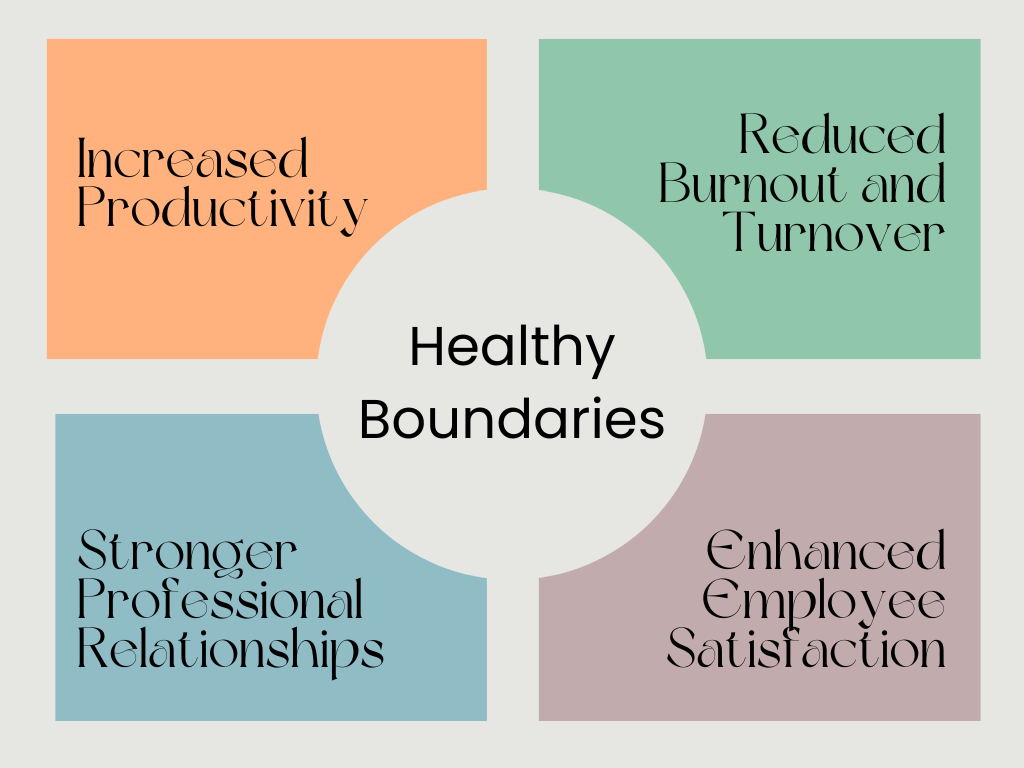
Strong and healthy boundaries in the workplace benefit both employees and organisations. Employees who feel respected and empowered are more engaged, motivated, and committed to their work. Some key benefits include:
- Increased Productivity: Employees who have time to recharge return to work more focused and efficient.
- Reduced Burnout and Turnover: A healthy work-life balance reduces stress, leading to lower absenteeism and staff turnover.
- Stronger Professional Relationships: Clear communication and mutual respect foster a positive and collaborative work environment.
- Enhanced Employee Satisfaction: A workplace that values employee well-being improves overall job satisfaction and morale.
To integrate boundary-conscious practices into a business, organisations can take the following steps:
Encourage Open Conversations About Workload and Expectations
- Create safe spaces for employees to discuss workload concerns without fear of judgment.
- Conduct regular check-ins to assess work-life balance and address any concerns.
Implement Policies That Protect Employee Time
- Introduce ‘email-free’ evenings or designated quiet work hours.
- Offer flexible work arrangements to accommodate personal and family needs.
- Encourage employees to take their designated breaks and use their holiday time.
Provide Training on Healthy Communication and Emotional Intelligence
Lead by Example
- Managers and senior leaders should model healthy work-life balance behaviours.
- Avoid sending after-hours emails or scheduling meetings outside of working hours.
- Demonstrate the importance of taking time off and encourage others to do the same.
Conclusion
Maintaining healthy boundaries in the workplace requires effort from both employees and organisations. It is not just about individual responsibility but a collective shift towards a culture that prioritises well-being. By fostering an environment that supports healthy boundaries, businesses can create a workforce that is not only productive but also engaged, satisfied, and resilient.
Establishing a work-life balance may seem like a daunting task, but with commitment from all levels, it is entirely possible. When employees and organisations work together to uphold these boundaries, everyone benefits, which leads to a healthier, happier, and more sustainable workplace.
Next Steps:
We offer QCTO qualifications, accredited learnerships, soft skills workshops, short courses, and online training solutions. Reach out to one of our representatives today to find out which training intervention is best suited to your skills gap needs. We can assist you with what the best approach is to improve BBBEE points, tax incentives, and various other benefits for your Skills Development efforts. Reach out by visiting the link here.